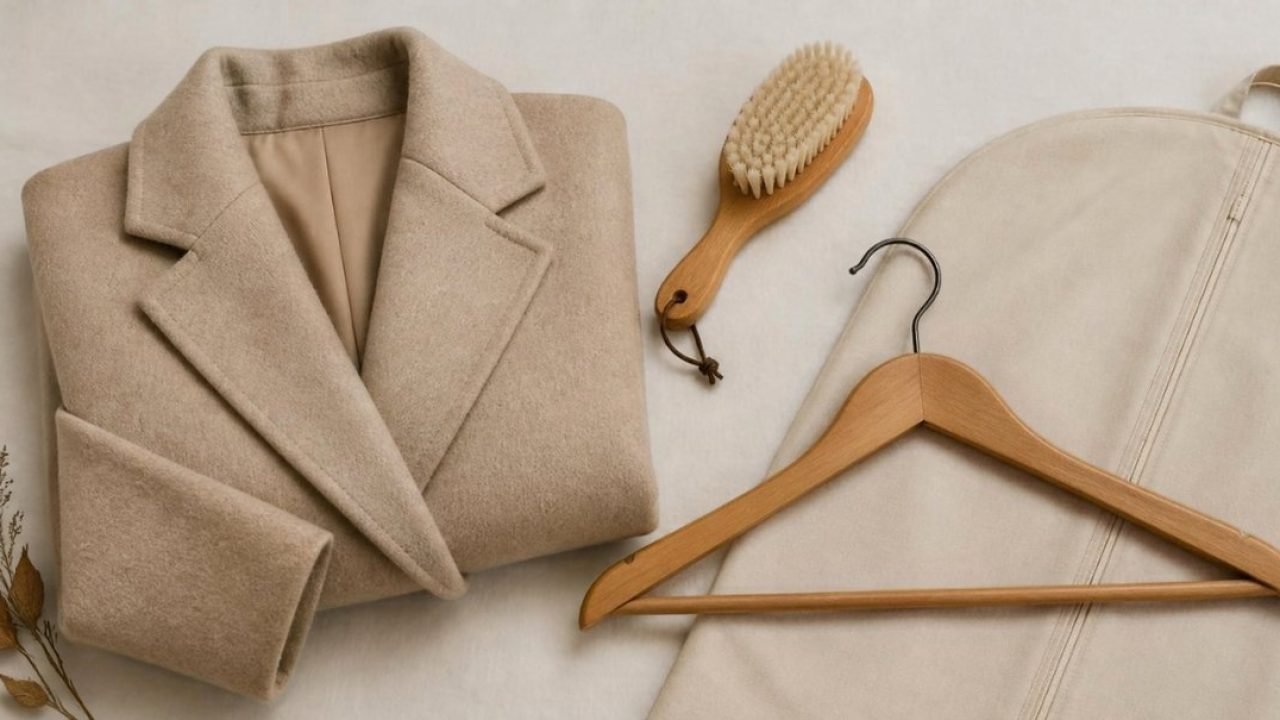
Quick answer: The fastest way to keep a winter coat looking new is simple: brush it after each wear, treat stains within minutes instead of days, hang it on a wide shoulder hanger instead of stuffing it into a packed closet, and send it for professional cleaning only once or twice a season. Skip these habits and even a high-quality coat can end up pilling, losing its shape, or picking up permanent stains before winter is over. This guide walks through exactly how to clean, store, and maintain your coat so it stays warm, sharp, and ready to wear for years — not just one season.
In this guide
- Table of Contents
- Why Coat Care Matters
- Daily and Weekly Care Habits
- Washing and Dry Cleaning Guidelines
- Proper Storage Between Wears
- Common Coat Care Mistakes to Avoid
- Extending Your Coat’s Lifespan Season After Season
Table of Contents
- Why Coat Care Matters
- Daily and Weekly Care Habits
- Washing and Dry Cleaning Guidelines
- Proper Storage Between Wears
- Common Coat Care Mistakes to Avoid
- Extending Your Coat’s Lifespan
Why Coat Care Matters
A good winter coat is one of the more expensive pieces in most wardrobes, and it works harder than almost anything else you own. It gets rained on, brushed against car doors, packed into overhead bins, and layered over sweaters day after day for months at a time. Without regular care, the fibers that trap warmth start to flatten, natural oils and body products build up in the fabric, and small stains set in permanently instead of washing out. Routine maintenance isn’t about being precious with your clothes — it’s what keeps the coat performing the way it did on day one, and it’s usually the difference between a coat that lasts two winters and one that lasts ten.
Daily and Weekly Care Habits
Brushing and Airing Out
Every time you take your coat off after wearing it outside, give it a few minutes before hanging it back in the closet. Let it air out on a hook or over a chair so any moisture from rain, snow, or body heat can evaporate — hanging a damp coat directly in a closed closet encourages mildew and musty smells. Once it’s dry, a soft-bristle clothes brush run in short downward strokes lifts dust, lint, and surface grime before it has a chance to work into the fibers. Wool and wool-blend coats especially benefit from a quick brush every few wears; it keeps the nap looking fresh without a single trip to the dry cleaner.
Spot Cleaning Stains Quickly
The single biggest factor in whether a stain comes out is how fast you deal with it. Blot — never rub — with a clean, slightly damp cloth as soon as you notice a spill or splash; rubbing pushes the stain deeper into the fibers and can damage the surface texture. For oil-based marks, a small amount of cornstarch or talcum powder left on the spot for a few hours will absorb the grease before you brush it away. Always test any cleaning product on an inside seam first, since some fabrics react differently than you’d expect.
Washing and Dry Cleaning Guidelines
How to Know When to Dry Clean
Wool, cashmere, and most structured coats with tailoring, interfacing, or a lining should almost always go to a professional dry cleaner rather than a home washing machine. Water and agitation can shrink wool fibers, warp shoulder padding, and break down the glue used in tailored construction. As a rule of thumb, one to two professional cleanings per season is enough for a coat that’s brushed regularly and treated with quick spot cleaning in between — over-cleaning actually strips natural oils and shortens a coat’s lifespan just as much as neglecting it does. Different coat fabrics also hold up differently to moisture and repeated cleaning; if you’re not sure what your coat is made of, our guide on choosing the right outerwear fabric for your climate breaks down how common materials behave. For a closer look at timing, see how often you should dry clean a winter coat.
Machine-Washable Coats: What to Check First
Some puffer jackets, rain shells, and synthetic outerwear are labeled machine washable, but always check the care tag before assuming. The American Cleaning Institute has a free guide to what the symbols on those tags mean. Use a gentle cycle, cold water, and a mild detergent without fabric softener, which can clog the tiny air pockets that keep insulated jackets warm. Zip all zippers and fasten any snaps first to prevent snagging, and skip the dryer’s high heat setting — tumble dry on low with a couple of clean tennis balls to help redistribute the filling evenly as it dries.
Proper Storage Between Wears
Choosing the Right Hanger
A thin wire hanger is one of the quickest ways to ruin a coat’s shape. Wire bends under the coat’s weight and creates small peaks at the shoulders that are hard to reverse once they set in. Switch to a wide, curved wooden or padded hanger that matches the width of the coat’s shoulder seams — this single change does more to preserve a coat’s silhouette than almost anything else on this list.
Off-Season Storage Tips
Before packing a coat away for the season, make sure it’s completely clean and fully dry; any leftover body oils, food residue, or moisture can attract moths and cause yellowing over months in storage. Store it in a breathable garment bag rather than sealed plastic, which traps humidity, and keep it somewhere cool and dark rather than a damp basement or a hot attic. Heading out on a trip? Our tips on how to pack outerwear for travel without wrinkling help your coat stay in shape on the road, too. If you’re managing several coats and jackets through the colder months, pairing good storage habits with smart layering strategies for winter keeps your whole outerwear rotation easier to maintain.
Common Coat Care Mistakes to Avoid
- Hanging a wet or damp coat straight into a closed closet instead of letting it air dry first
- Rubbing a fresh stain instead of blotting it, which spreads the mark and pushes it deeper into the fabric
- Using a thin wire hanger that distorts the shoulders over time
- Over-washing or over-dry-cleaning a coat “just to be safe,” which strips natural oils and wears down fibers faster
- Storing a coat in sealed plastic, which traps moisture and encourages mildew
- Ignoring the care label and assuming all coats can be machine washed
Extending Your Coat’s Lifespan Season After Season
Small, consistent habits matter far more than the occasional deep clean. Brush after every few wears, treat stains the moment they happen, hang your coat properly every single time, and store it thoughtfully during the off-season — that’s really the entire system. Coats that get this kind of routine attention tend to look and perform like new for years longer than coats that only get cared for once something already looks worn.
A sturdy wooden hanger and a good fabric protector spray are two of the simplest investments you can make toward a coat that lasts. Neither costs much, and both do far more for a coat’s lifespan than an expensive cleaning product used only when something has already gone wrong.
Good coat care pairs well with a few related habits. Our guide on how to choose the right coat for your body type is a good next read, and for background, see the EPA's overview of dry cleaning solvents.
Dealing with a specific mark? See our step-by-step guide on how to remove common stains from winter coats.
For care tips specific to zippers and fasteners, see our guide to outerwear zippers, snaps, and closures.
Want to avoid the usual slip-ups? See our guide to common outerwear mistakes and how to avoid them.