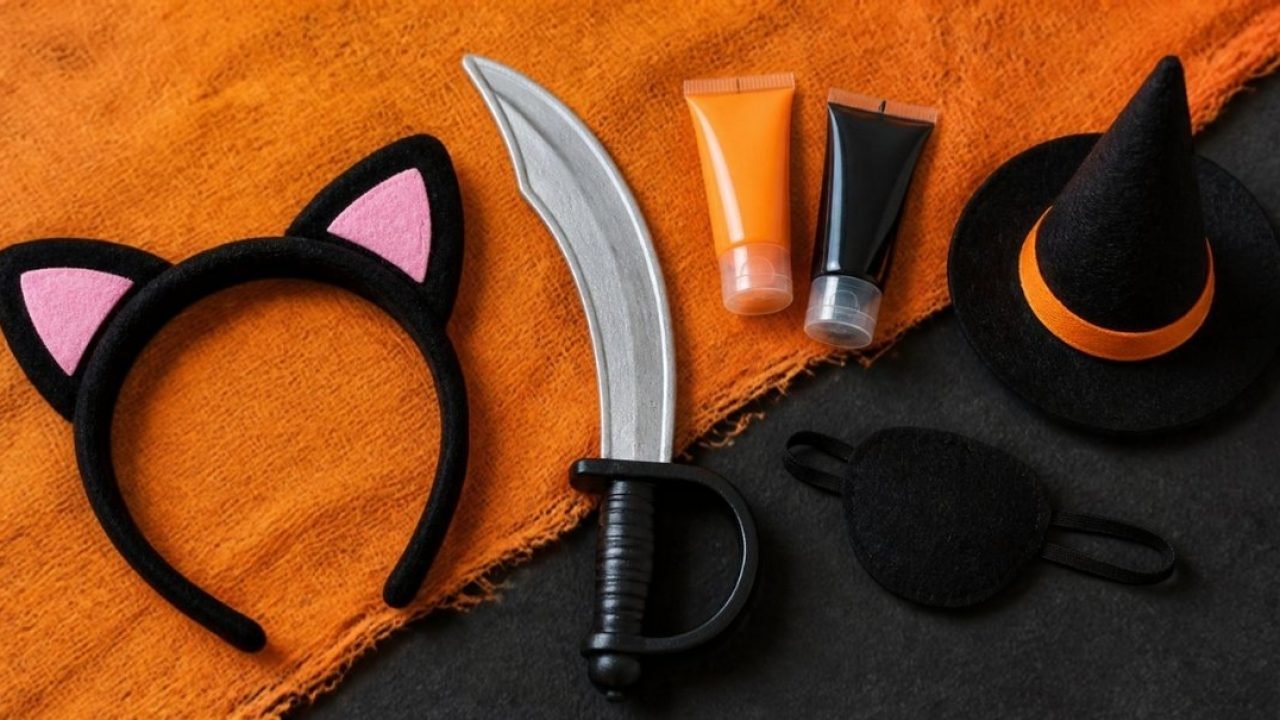
Quick answer: You don’t need an expensive store-bought set to put together a great kids’ Halloween costume. Start with clothes already in the closet, add one or two secondhand or dollar-store pieces to sell the character, and finish with a couple of simple DIY touches like face paint or a hand-made prop. A costume built this way often looks more creative than a boxed outfit, costs a fraction of the price, and can be adjusted or reused the following year. This guide walks through exactly how to put one together step by step.
In this guide
- Table of Contents
- Why Budget Costuming Doesn’t Mean Sacrificing Style
- Start With What’s Already in the Closet
- Thrift Store and Dollar Store Finds
- DIY Touches That Make a Big Difference
- Budget-Friendly Costume Ideas by Character Type
- Common Mistakes That Waste Money
- Making the Costume Last Beyond Halloween
Table of Contents
- Why Budget Costuming Doesn’t Mean Sacrificing Style
- Start With What’s Already in the Closet
- Thrift Store and Dollar Store Finds
- DIY Touches That Make a Big Difference
- Common Mistakes That Waste Money
- Making the Costume Last Beyond Halloween
Why Budget Costuming Doesn’t Mean Sacrificing Style
Boxed costumes are convenient, but they’re often made of thin, one-wear fabric and can run $25 to $40 for a single outfit a child outgrows within a year. A budget-built costume flips that equation: pieces come from the closet or secondhand racks, which means they can be mixed, resized, or reused long after October 31st. It also tends to look more original, since no two kids on the block end up in the exact same packaged outfit. The real skill isn’t spending less — it’s picking a character whose signature pieces are easy to recreate with everyday items.
Start With What’s Already in the Closet
Everyday Clothes as a Base
Before buying anything, go through what your child already owns. A plain white shirt becomes a ghost, a scientist, or a sailor with the right accessories. Solid-colored leggings or sweatpants in black, orange, or green instantly suggest a cat, a pumpkin, or a dinosaur. Look for pieces with simple, solid colors rather than busy patterns — they’re easier to build a character on top of, and if a costume idea doesn’t work out, the clothes go right back into regular rotation afterward.
Accessorizing with Items You Own
A character is often recognizable from just one or two signature details rather than a full head-to-toe outfit. A cape made from an old pillowcase, a headband with felt ears, or a belt with a cardboard buckle can carry an entire costume. Check craft drawers, old Halloween bins, and even kitchen supplies — a wooden spoon becomes a wand, and a cardboard box becomes a robot torso with almost no cost at all.
Thrift Store and Dollar Store Finds
What to Look for Secondhand
Thrift stores are especially good for costume pieces because shoppers don’t need an exact color or fit — close enough usually works for a kid’s costume. Look specifically in the following sections: adult small sizes (great for capes and oversized robes on small kids), scarves and belts (useful for pirate, genie, or superhero looks), and costume jewelry (perfect for royalty, fairy, or pirate characters). Most thrift stores price individual items at a dollar or two, so three or four pieces usually costs less than a single boxed costume.
Dollar Store Accessory Hacks
Dollar stores are where the small finishing details come from. Plastic swords, wands, tiaras, face paint sticks, fake glasses, and colored hair spray are usually available for a dollar or two each and instantly sell a character. Buy a few options rather than committing early, since trying different combinations at home often reveals a better pairing than what looked right in the store.
DIY Touches That Make a Big Difference
No-Sew Costume Tricks
You don’t need a sewing machine to make a costume look finished. Fabric glue and safety pins can attach a cape, patch, or trim in minutes. Hot glue (with adult supervision) works well for attaching felt shapes, fake fur, or small props to a plain garment. Iron-on patches and fabric tape are also useful for quick fixes like hemming a too-long robe or securing a logo onto a shirt.
Face Paint and Makeup on a Budget
A few swipes of face paint often do more for a costume than an expensive mask or headpiece, and a basic palette costs very little compared to character-branded accessories. Simple designs — a cat nose and whiskers, a scar, a smudge of “dirt” for a pirate — take under five minutes and photograph well. Always do a small patch test on your child’s skin the day before to rule out any reaction, especially with cheaper face paint brands.
Budget-Friendly Costume Ideas by Character Type
Some characters are far easier to recreate from basics than others. Here are a few reliable options that combine closet staples, one secondhand piece, and a dollar-store accessory or two:
- Black cat: black leggings and a black long-sleeve top from the closet, felt ears on a headband, and face paint whiskers.
- Pirate: a striped shirt or plain shirt with a thrifted vest, a dollar-store bandana and plastic sword, and an eyepatch cut from felt.
- Scientist: an oversized white button-down from the thrift rack worn as a lab coat, fake glasses, and a clipboard made from cardboard.
- Fairy or princess: a plain dress from the closet, a thrifted tulle skirt layered on top, and a dollar-store tiara or wings.
- Astronaut: gray sweatpants and a hoodie as a base, a bike helmet decorated with foil for a visor, and patches cut from felt.
Mixing and matching this way means two or three characters can often share the same base pieces, which is useful if your child changes their mind the week before Halloween — something that happens more often than most parents expect.
Common Mistakes That Waste Money
- Buying a full boxed costume for a character that could be built from closet basics and one or two accessories
- Choosing a complicated costume with small parts that are easy to lose, forcing a repeat purchase
- Overspending on a costume sized for only this year instead of leaving room to layer or adjust
- Skipping a trial run, which means discovering fit or comfort problems on Halloween night itself
- Not checking local safety guidelines on costume accessories like toy weapons or masks before trick-or-treating
If you’re finalizing a costume for trick-or-treating, it’s also worth running through our costume safety checklist for kids to make sure visibility, comfort, and material safety are covered before the big night. The Consumer Product Safety Commission also advises choosing costumes that fit well and adding reflective tape so kids are easier to see in low light.
n
Giving yourself one to two weeks before Halloween to source pieces — rather than shopping the night before — makes it far easier to find good thrift and dollar-store options and leaves time for any small DIY fixes, like hemming a robe or testing face paint for skin reactions.
n
Making the Costume Last Beyond Halloween
A costume built from everyday clothing and simple accessories doesn’t have to disappear into a bin after one night. A cape or ears can become part of imaginative play for months afterward, and basic clothing pieces go straight back into the regular wardrobe. Keeping reusable accessories — wigs, masks, or capes — sorted in a labeled bin also means next year’s costume search can start with pieces you already own instead of from zero. For more detail on keeping everything in good shape, see our tips on storing costumes so they last year after year.
The goal isn’t to spend as little as possible for its own sake — it’s to put together something your child is excited to wear without a $40 price tag attached to a single night. With a bit of planning, a trip to the thrift store, and a dollar-store accessory or two, a homemade costume can look just as fun as anything off the shelf.
A budget-friendly costume is still worth getting right on safety and longevity. For background, see Halloween's long history as a costume tradition.
If you’re coordinating costumes with friends or siblings, our guide on planning a group costume theme covers how to keep it budget-friendly for everyone involved.
Want to spend even less? Our list of DIY costume ideas using things you already own shows how far a closet and a linen cupboard can go.
Already bought a ready-made costume? See budget-friendly ways to elevate a store-bought costume.